Metabolism / FROM THE EDITOR
Carbohydrates and insulin: less fear, better context
What insulin does, why a normal response after a meal is not a fat-gain verdict, and where medical needs change the advice.
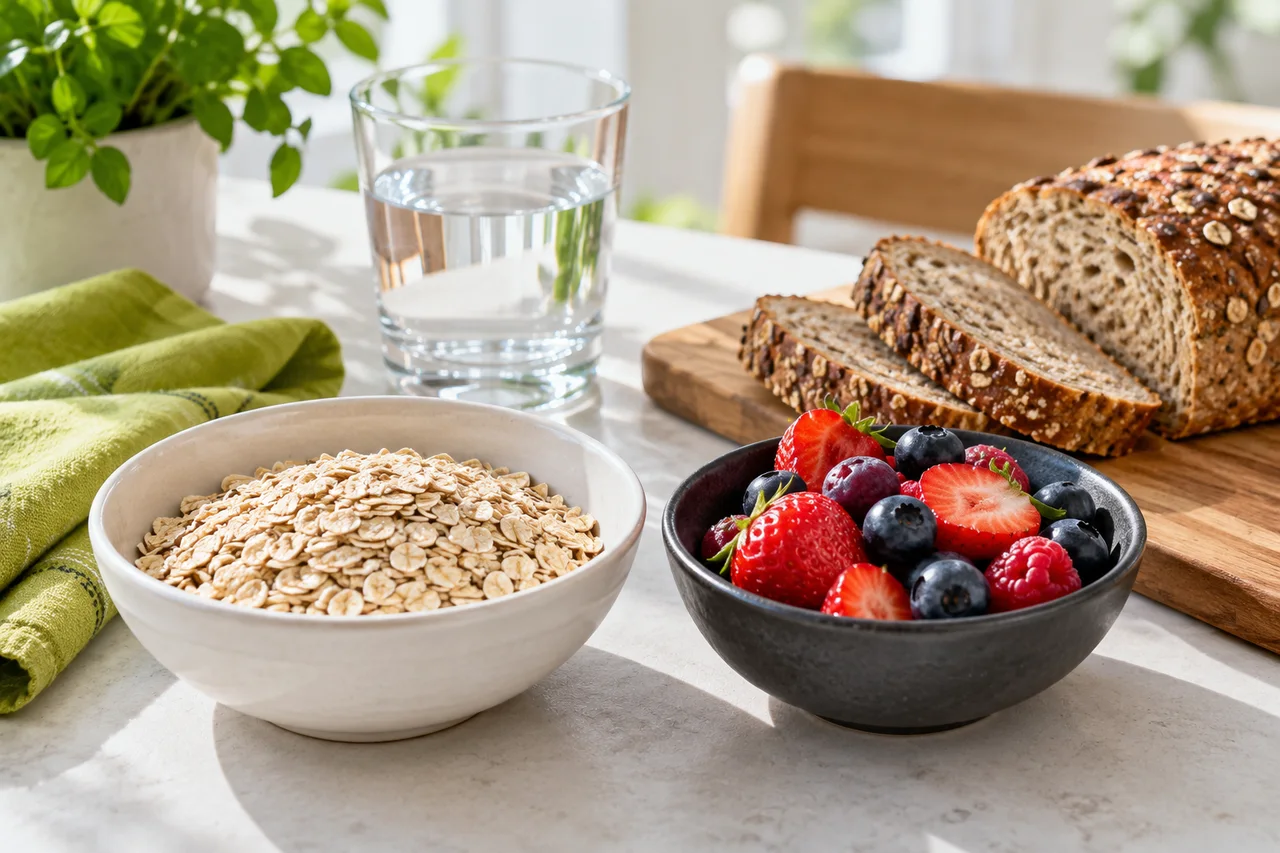
Insulin is an essential hormone. Carbohydrate intake affects glucose and insulin, but normal post-meal insulin changes do not override long-term energy balance.
Know what supports the takeaway.
- Key finding
- Insulin is an essential hormone. Carbohydrate intake affects glucose and insulin, but normal post-meal insulin changes do not override long-term energy balance.
- People, setting & outcomes
- Human glucose-regulation research and medical education; diabetes treatment needs individual clinical guidance.
- Types of evidence
- Guidance, observational research or review · Human or controlled experiments. These labels describe sources, not a formal certainty grade.
- Limits
- The ward experiment was short and DIETFITS studied adults without diabetes. Neither supplies individual diabetes treatment advice or establishes one ideal carbohydrate intake.
- Editorial source review
- · The Strong Table. No independent clinical reviewer or endorsement is claimed.
I would rather help someone choose a useful meal than make them afraid of every insulin response. A normal hormone doing its job is not automatically a problem. At the same time, blood-glucose disorders deserve genuine medical attention.
Those two ideas belong together. We can reject simplistic claims that carbs inherently cause fat gain while taking diabetes, individual tolerance and food quality seriously.
Insulin helps manage nutrients
Insulin is produced by the pancreas and helps glucose move into cells. It also participates in the body’s broader storage and fuel-use regulation. After a carbohydrate-containing meal, glucose and insulin commonly rise as part of normal physiology. Protein-containing foods can also stimulate insulin.[1]
That response is not a test that a meal has failed. Your body alternates between using, storing and releasing fuels throughout the day. A temporary reduction in fat release after eating is not the same as a permanent inability to lose body fat. The full pattern of intake and expenditure still matters.
A controlled test of the “insulin prevents fat loss” claim
In a short metabolic-ward experiment involving 19 adults with obesity, researchers reduced calories by restricting either carbohydrate or fat. Carbohydrate restriction lowered insulin and increased fat oxidation, but it did not produce greater body-fat loss over the study period; fat restriction produced more measured fat loss.[2]
This was only a brief controlled experiment, not proof that low-fat diets are best for everyone long term. Its value here is narrower: lower insulin and greater fat burning during the day do not automatically equal greater loss of stored body fat. The distinction between fuel use and changes in fat stores matters.
Longer-term diets need a broader view
The 12-month DIETFITS trial compared healthy lower-fat and lower-carbohydrate approaches in 609 adults with overweight or obesity. Average weight loss did not differ significantly between the groups, and baseline insulin secretion did not identify a clear winner. Both approaches emphasised food quality.[3]
Some people find fewer carbohydrates helps appetite or glucose management. Others find carbohydrate supports training, meal enjoyment and adherence. A preferred pattern can be useful without requiring a claim that one macronutrient is inherently fattening. What people can sustain matters outside a controlled ward.
Carbohydrate is a food category, not one food
Lentils, oats, fruit, potatoes and sweets all contain carbohydrate, but they do not bring the same fibre, nutrients, portion sizes or eating experience. Avoid treating a bowl of beans and a large sugary drink as nutritionally interchangeable just because both contain carbs.
A useful meal may combine a carbohydrate source with protein, vegetables and some fat. That can support satisfaction and a varied diet. Portion and preparation still matter, and “whole food” is not a guarantee that unlimited intake suits your goal. Choose meals you can repeat without fearing ordinary foods.
Insulin resistance changes the medical context
With insulin resistance, cells respond less effectively to insulin, and glucose regulation may become impaired. Prediabetes and diabetes require appropriate testing and care. General fat-loss articles cannot diagnose them from hunger, body shape or how you feel after bread.[1]
If you use insulin or medicines that can cause hypoglycaemia, changing carbohydrate intake or exercise can require a treatment adjustment. Work with your healthcare team rather than sharply restricting carbs on your own. A plan should account for medication, glucose monitoring and individual targets.
My practical approach to carbs
Start with your goal and circumstances. Use protein-containing meals, a suitable amount of carbohydrate for your activity, vegetables and fruit, and a varied overall pattern. If a lower-carb approach feels better, it can be an option. If it leaves you depleted and less active, reconsider the dose and food selection.
- Do not judge a meal solely by whether insulin rises.
- Choose carbohydrate foods for nutrients, enjoyment and practical fuel.
- Adjust portions within an appropriate overall energy intake.
- Use long-term trends rather than a temporary scale drop from lower glycogen and water.
- Get medical guidance for diagnosed glucose disorders or concerning symptoms.
The distinction worth remembering
Carbohydrates affect physiology. That is true. The much stronger claim that their insulin response prevents fat loss regardless of calorie intake is not supported by these controlled comparisons. Likewise, energy balance is not a reason to ignore blood glucose, fibre or dietary quality.
My goal is to make food decisions clearer: fit the diet to the person, evaluate the overall pattern and leave diagnosis and medication decisions to qualified care. Less fear makes room for better questions.
Read the evidence.
Follow the studies and official guidance. Numbered references identify the research behind the relevant discussion; practical suggestions and personal perspective are distinguished from study findings.
- Official medical educationNIDDK: Insulin resistance and prediabetes ↗
- Short controlled metabolic-ward studyHall et al.: Carbohydrate versus fat restriction, 2015 ↗
- 12-month randomized trialGardner et al.: DIETFITS trial, 2018 ↗
General education for adults. Medical symptoms, prescribed diets and medication changes need individual guidance from a qualified healthcare professional.