Plant Benefits / FROM THE EDITOR
Aloe vera in the bedroom: useful greenery, overstated oxygen claims
A sun-loving succulent can brighten your space. Its unusual photosynthesis does not make it a nighttime breathing aid.
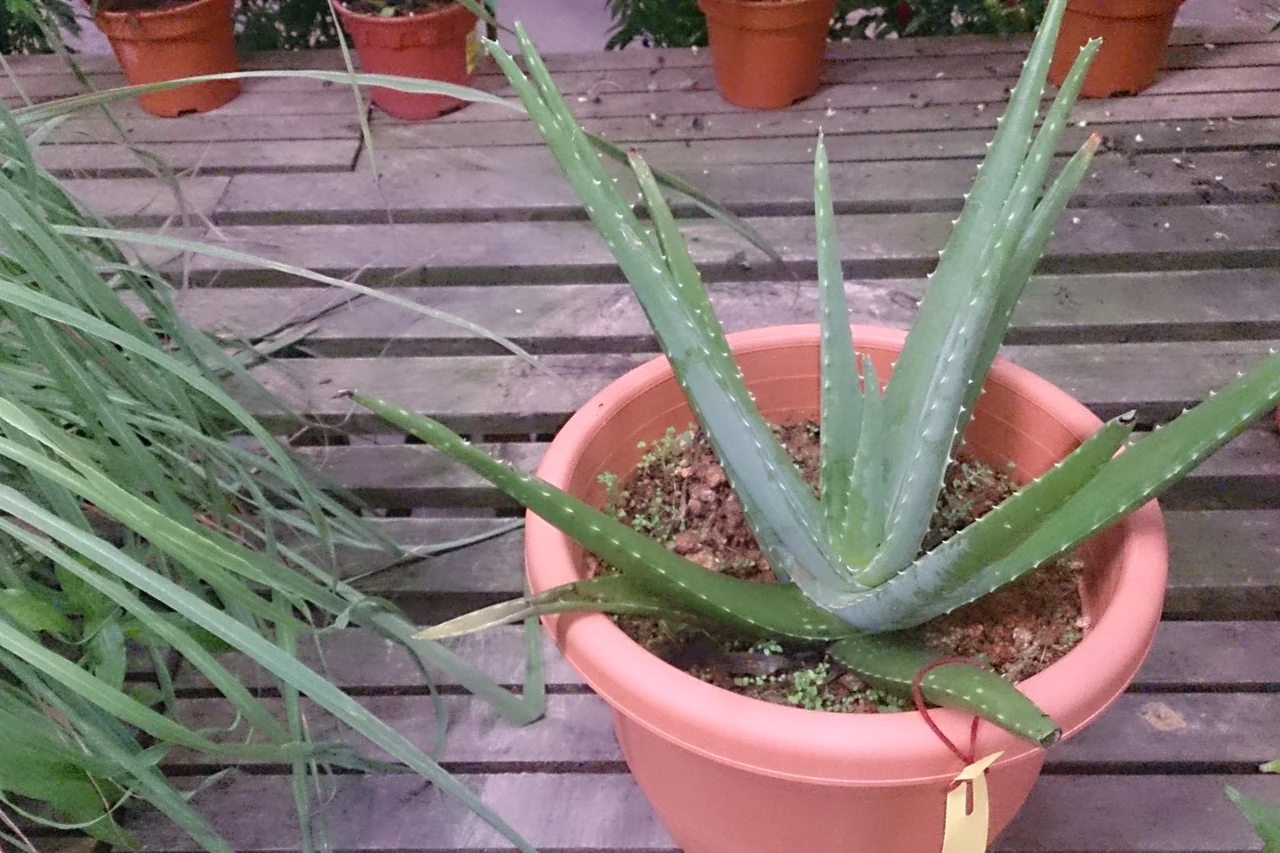
Give aloe a bright, draining home. Appreciate the plant without expecting it to improve bedroom oxygen or treating raw leaves as a medical product.
Know what supports the takeaway.
- Key finding
- Give aloe a bright, draining home. Appreciate the plant without expecting it to improve bedroom oxygen or treating raw leaves as a medical product.
- People, setting & outcomes
- CAM plant physiology and indoor-air evidence reviews; a potted aloe is not a clinically tested sleep intervention.
- Types of evidence
- Mechanistic or early evidence · Guidance, observational research or review. These labels describe sources, not a formal certainty grade.
- Limits
- Nighttime CO₂ capture does not demonstrate oxygen release in darkness or better sleep. This article does not recommend ingestion or medical use of raw aloe.
- Editorial source review
- · The Strong Table. No independent clinical reviewer or endorsement is claimed.
Aloe vera is instantly recognizable: thick leaves, a compact rosette and a reputation that reaches far beyond houseplant shelves. That familiarity can make every new claim sound plausible. “It produces oxygen all night” is one example that deserves a closer look.
You can enjoy aloe as a plant while keeping its biology, decorative value and topical products as separate questions.
Understand the nighttime claim
CAM photosynthesis separates nighttime carbon-dioxide capture from daytime use. Oxygen-producing light reactions still require light. The ability to take in carbon dioxide at night does not mean aloe continually releases oxygen in a dark bedroom.[1]
More importantly, ordinary potted aloe has not been shown to provide a meaningful breathing or sleep benefit through bedroom gas changes. Do not confuse a clever adaptation to dry environments with a clinical benefit for the person sleeping nearby.
Follow the light rather than the bedside trend
Aloe needs suitable bright light and well-drained growing conditions. NC State describes it as drought tolerant and warns about ingestion. Overwatering a succulent is an easy mistake, especially when a decorative outer pot has no way to release excess water.[2]
If your bedside is dark, move the plant to a better location. A windowsill can make more sense than forcing aloe into a nightstand arrangement. Check its stability and keep leaves from projecting into a walkway or where someone reaches half asleep.
A leaf is not the same as a prepared product
Aloe-containing skin products and a freshly cut houseplant are not interchangeable. Product processing, ingredients and intended use matter. Growing the plant does not establish that its raw material is sterile, suitable for a particular skin problem or safe to swallow.
The plant’s ingestion risks are a reason to keep it out of reach of pets and children. Avoid turning houseplant care into a home-treatment experiment, especially with damaged skin, medication use or unexplained symptoms.[2]
Let its real appeal be enough
A healthy aloe offers interesting texture, a visible growing project and a reason to notice how daylight changes through the seasons. Those are practical, accessible benefits. The plant can become part of a calm home without carrying responsibility for your health.
Start with one manageable specimen and a pot that drains. Inspect before watering, remove standing water and adapt care to growth and the room. Choose aloe because you like it and can meet its needs; skip promises about detoxifying your body while you sleep.
Read the evidence.
Follow the studies and official guidance. Numbered references identify the research behind the relevant discussion; practical suggestions and personal perspective are distinguished from study findings.
- Plant physiology reviewBlack & Osmond (2003): the day and night phases of CAM photosynthesis ↗
- University horticulture guidanceNC State Extension — aloe vera ↗
General education for adults. Medical symptoms, prescribed diets and medication changes need individual guidance from a qualified healthcare professional.