Plant Benefits / FROM THE EDITOR
Peace lilies: a beautiful pause, not a home detox system
Glossy leaves and white spathes make a room feel cared for. The science supports a more modest story than “purified air.”
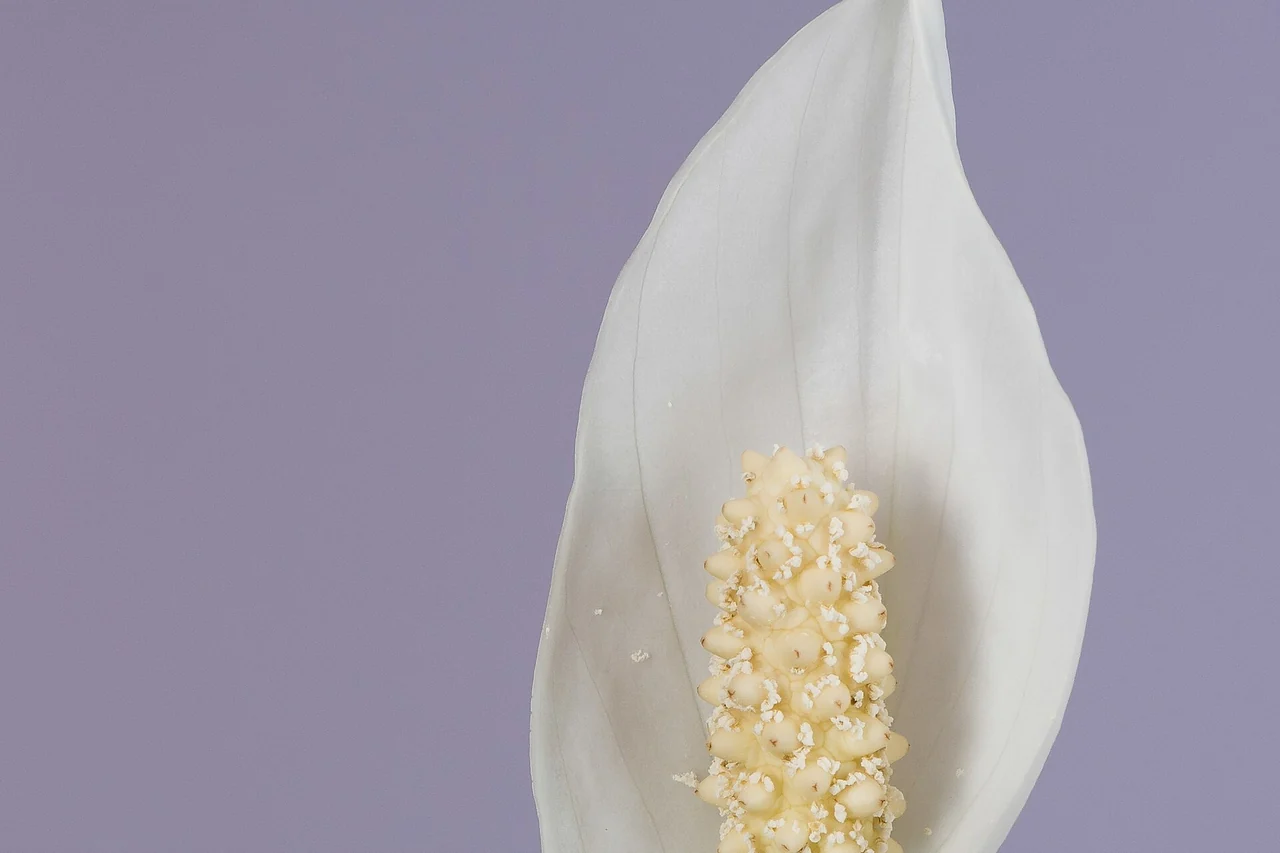
A peace lily can be a pleasing, manageable indoor feature. Its appearance and care routine are better reasons to buy it than dramatic air-cleaning promises.
Know what supports the takeaway.
- Key finding
- A peace lily can be a pleasing, manageable indoor feature. Its appearance and care routine are better reasons to buy it than dramatic air-cleaning promises.
- People, setting & outcomes
- Small human plant-interaction studies and indoor-air research; findings are not specific proof of a bedside peace-lily effect.
- Types of evidence
- Human or controlled experiments · Guidance, observational research or review. These labels describe sources, not a formal certainty grade.
- Limits
- General plant-interaction findings do not establish a species-specific health benefit. A peace lily does not replace ventilation or filtration.
- Editorial source review
- · The Strong Table. No independent clinical reviewer or endorsement is claimed.
A peace lily brings a different kind of presence to a room: broad green leaves, soft curves and pale spathes that stand above the foliage. It can make a work corner feel less bare without taking over the space.
That visual benefit is easy to understand. The harder question is whether adding one plant produces a measurable health improvement. Here, it helps to keep pleasant surroundings separate from a medical claim.
What the plant studies can tell us
Small experiments suggest that interacting with indoor plants may ease short-term stress compared with particular tasks. They do not establish a peace-lily-specific treatment for anxiety, blood pressure or sleep.[1]
A room you enjoy may encourage you to take a break or spend a few minutes caring for something. That is a reasonable use of the plant. It is different from promising that the same response occurs in every home, for every person, simply because the leaves are present.
Why an air-cleaning label overreaches
A quantitative review found conventional potted plants removed VOCs too slowly to match ordinary building air exchange. The result does not support calling a single peace lily a household air purifier.[2]
Ventilation, pollutant-source control and appropriate filtration answer different air-quality questions. Plants can be part of the room’s design alongside those measures. They should not be the reason you ignore smoke, persistent odours or a building problem.
Set it up for comfortable care
NC State recommends avoiding direct sun, providing warmth and keeping the growing medium moist without leaving it soggy. Peace lilies need drainage. A drooping plant is a prompt to inspect conditions, not an instruction to flood the pot.[3]
Place it where the leaves have space and you can reach the container. A desk corner or side table near suitable daylight may work better than a crowded bedside. Wipe dusty foliage gently and use care time as an ordinary pause in the day.
Check who shares the room
Peace lilies contain irritating calcium oxalate crystals and are unsuitable for chewing. Keep them away from pets and small children. The name “peace lily” should not be taken as a claim that every part of the plant is harmless.[3]
If that restriction makes placement awkward, choose a different species. The best household plant is one you can enjoy without turning care or access into a recurring problem. Beauty and a repeatable routine are worthwhile benefits on their own.
Read the evidence.
Follow the studies and official guidance. Numbered references identify the research behind the relevant discussion; practical suggestions and personal perspective are distinguished from study findings.
- Small randomized crossover experimentLee et al. (2015): plant interaction and short-term stress ↗
- Review and quantitative analysisCummings & Waring (2020): potted plants and indoor VOC removal ↗
- University horticulture guidanceNC State Extension — spathiphyllum ↗
General education for adults. Medical symptoms, prescribed diets and medication changes need individual guidance from a qualified healthcare professional.