Plant Benefits / FROM THE EDITOR
Pothos and the value of a greener work corner
Easygoing vines can make a simple space more inviting. Here is what that benefit means—and what it does not.
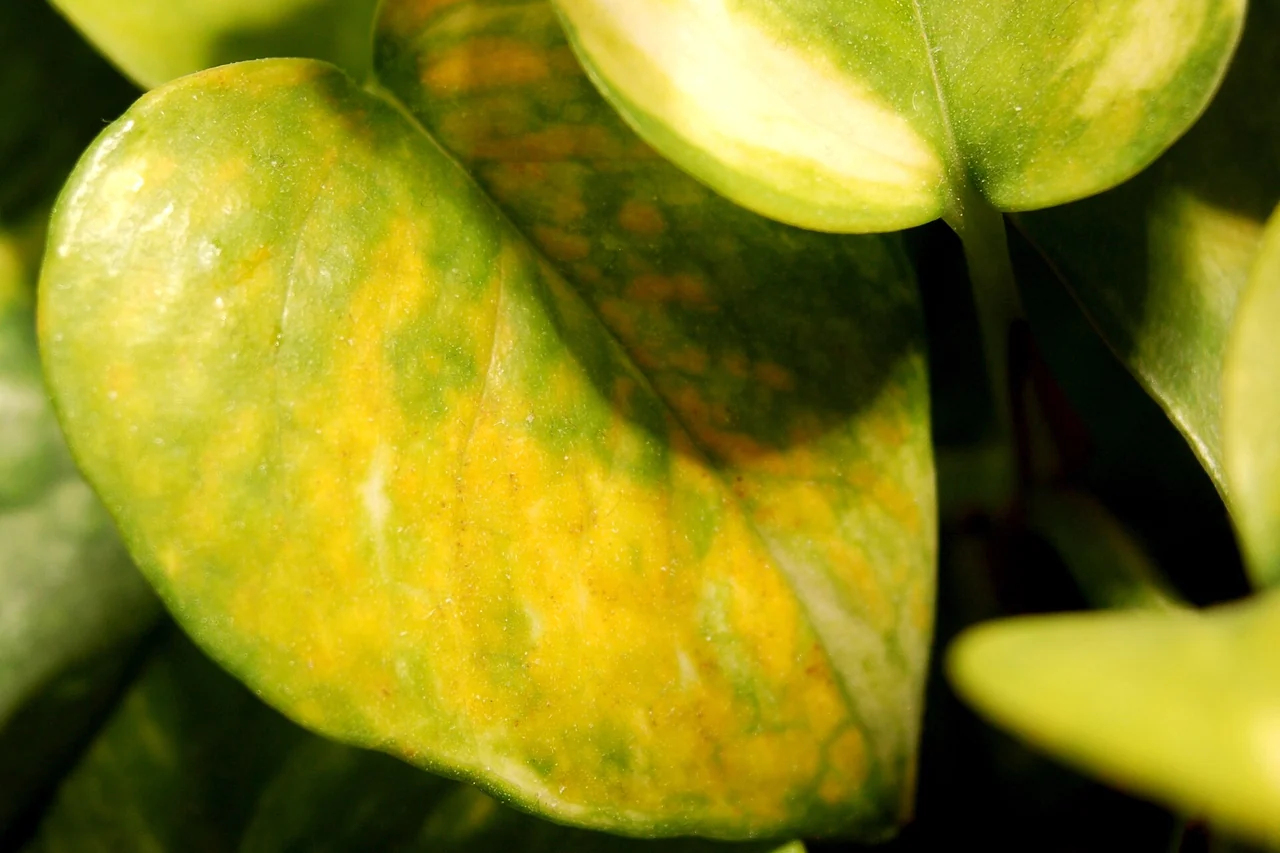
Pothos is a practical way to add living greenery and a small care routine. Expect enjoyment and visual interest, not a proven productivity or air-quality boost.
Know what supports the takeaway.
- Key finding
- Pothos is a practical way to add living greenery and a small care routine. Expect enjoyment and visual interest, not a proven productivity or air-quality boost.
- People, setting & outcomes
- Small plant-interaction experiments and indoor-air reviews; effects of ordinary home placement remain uncertain.
- Types of evidence
- Human or controlled experiments · Guidance, observational research or review. These labels describe sources, not a formal certainty grade.
- Limits
- The suggested desk routine is practical advice, not a tested pothos intervention. No species-specific productivity or clinical benefit is established here.
- Editorial source review
- · The Strong Table. No independent clinical reviewer or endorsement is claimed.
There is a reason pothos appears in so many first apartments and home offices. Its heart-shaped leaves and trailing stems bring movement to a shelf, and it can be forgiving while you learn. It also makes a useful case study in keeping wellness claims proportionate.
A plant can be worth having without proving that it makes you smarter, more productive or healthier every hour it is in the room.
Greenery is a setting, not a prescription
Plant-interaction research offers tentative evidence for short-term stress responses. The experiments are small and do not show that a pot of pothos reliably improves work performance or treats a mental-health condition.[1]
Use that evidence as permission to experiment with your surroundings, not as an obligation to buy plants. If you enjoy seeing new leaves unfold or taking a break to check the soil, you already have a sensible reason to keep one.
Why easy care matters
NC State describes pothos as a relatively easy indoor plant that prefers bright indirect light and a well-drained medium allowed to dry between watering. It can tolerate lower light, but tolerance is not the same as thriving in darkness.[2]
A low-friction routine makes it easier to keep the plant healthy. Rather than adding a complicated wellness task, choose one spot, one suitable container and a simple check before watering. Notice how the leaves and growth respond over a few weeks.
Give the vines a sensible route
A shelf can work well if the pot is stable and reachable. Let the vine trail where it will not catch clothing, pull on cables or hang into your workspace. Pruning for a manageable shape is often more useful than allowing the longest possible growth.
Pothos contains irritating calcium oxalate crystals. Keep leaves and cuttings out of reach of children and pets that chew. A high shelf is only a solution if an animal cannot reach it by climbing or pulling a trailing stem.[2]
The air-purification question
Ordinary potted plants are not an effective substitute for normal building ventilation on the evidence reviewed by Cummings and Waring. Attractive leaves do not establish a room-scale clean-air effect.[3]
Build the corner around what you actually need: comfortable seating, usable daylight, a break from sitting and a plant you like. Pothos can be one enjoyable component. It does not need to become a claim about detoxification or a guaranteed concentration upgrade.
Read the evidence.
Follow the studies and official guidance. Numbered references identify the research behind the relevant discussion; practical suggestions and personal perspective are distinguished from study findings.
- Small randomized crossover experimentLee et al. (2015): plant interaction and short-term stress ↗
- University horticulture guidanceNC State Extension — epipremnum aureum ↗
- Review and quantitative analysisCummings & Waring (2020): potted plants and indoor VOC removal ↗
General education for adults. Medical symptoms, prescribed diets and medication changes need individual guidance from a qualified healthcare professional.