Plant Benefits / FROM THE EDITOR
Rosemary at home: scent, flavour and the memory claim
An aromatic herb has more than one useful role. A windowsill pot is not the same intervention as an essential-oil experiment.
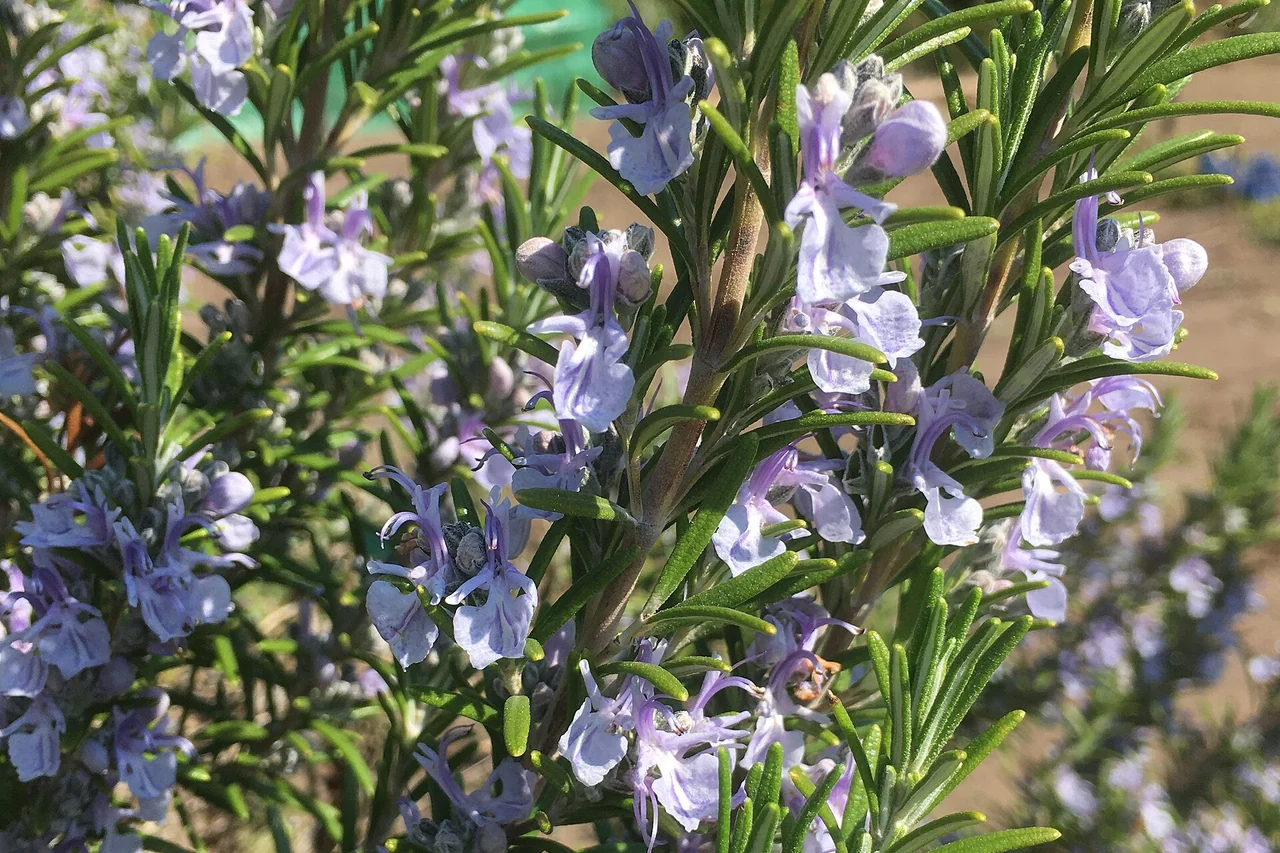
Grow rosemary for fragrance, cooking and the pleasure of tending a herb. Research on concentrated aroma does not prove that a nearby plant improves memory.
Know what supports the takeaway.
- Key finding
- Grow rosemary for fragrance, cooking and the pleasure of tending a herb. Research on concentrated aroma does not prove that a nearby plant improves memory.
- People, setting & outcomes
- Small exploratory human aroma studies; scent exposure differs from keeping a living plant nearby.
- Types of evidence
- Human or controlled experiments · Guidance, observational research or review. These labels describe sources, not a formal certainty grade.
- Limits
- No established evidence here shows that a living rosemary plant improves memory or treats cognitive symptoms. Essential oils should not be swallowed or assumed safe.
- Editorial source review
- · The Strong Table. No independent clinical reviewer or endorsement is claimed.
Rosemary has a practical advantage over many decorative plants: if you grow a culinary specimen appropriately, it can become part of dinner. Its scent and needle-like leaves also make it an appealing addition to a bright kitchen.
The internet often adds a bigger promise: keep rosemary nearby and improve memory. That idea comes from a different kind of exposure than a quiet pot on a windowsill.
What the aroma experiment can—and cannot—show
A small study exposed 20 volunteers to rosemary essential-oil aroma and examined associations between blood levels of a compound and cognitive-task performance. It was exploratory and did not test a living rosemary plant in an ordinary home.[1]
An association in that setting does not establish a reliable memory boost, prevention of cognitive decline or a useful dose from a potted herb. Concentrated aroma, an extract and a fresh sprig are not interchangeable exposures. Interesting research should remain interesting without becoming a guarantee.
The everyday benefit is easier to use
A little fresh rosemary can make roasted vegetables, potatoes or a simple bean dish more appealing. The value is flavour and engagement with cooking. It is not necessary to attach a fat-burning or metabolism claim to an ingredient for it to be useful.
Choose a plant intended for culinary growing and follow any pesticide-label restrictions. Wash harvested herbs as you would other produce. A nursery ornament and a food ingredient should not be treated as identical without checking how the plant was grown.
Give it the conditions it needs
NC State describes rosemary as a sun-loving herb that needs good drainage. A bright kitchen or appropriate outdoor location may suit it better than a dim bedroom. Persistent wetness is a poor match for this plant.[2]
Start with a manageable pot and trim modestly as growth allows. Let its needs guide placement. If the room cannot provide enough light, buy culinary rosemary when you need it and choose a more suitable indoor plant instead of forcing the arrangement.
Keep fragrance optional
Aromas can be pleasant, distracting or irritating depending on the person. There is no need to diffuse concentrated oils to make a plant “work.” If a scent triggers symptoms, move it or skip it. A quiet room without fragrance can be just as inviting.
The honest recommendation is straightforward: rosemary offers a growing project, culinary interest and a scent you may enjoy. These are accessible reasons to keep it. Treat the memory research as an early scientific question, not a promise printed on a plant pot.
Read the evidence.
Follow the studies and official guidance. Numbered references identify the research behind the relevant discussion; practical suggestions and personal perspective are distinguished from study findings.
- Small exploratory human experimentMoss & Oliver (2012): rosemary aroma, 1,8-cineole and cognitive performance ↗
- University horticulture guidanceNC State Extension — salvia rosmarinus ↗
General education for adults. Medical symptoms, prescribed diets and medication changes need individual guidance from a qualified healthcare professional.