Plant Benefits / FROM THE EDITOR
Snake plants at night: the oxygen story needs a closer look
A tough, sculptural houseplant with interesting biology—but not a bedroom oxygen machine.
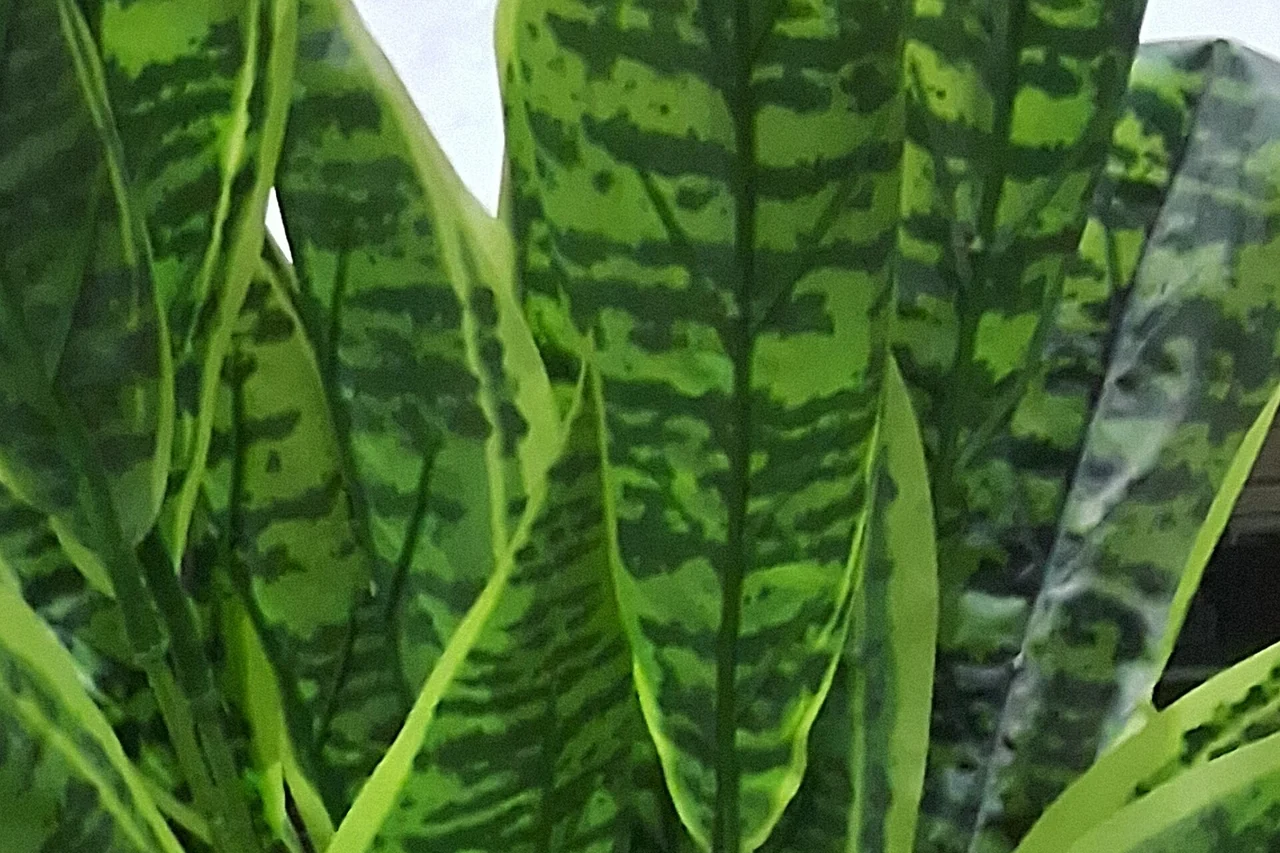
Enjoy a snake plant for its looks and relatively undemanding care. Nighttime carbon-dioxide uptake is not the same as producing oxygen in darkness.
Know what supports the takeaway.
- Key finding
- Enjoy a snake plant for its looks and relatively undemanding care. Nighttime carbon-dioxide uptake is not the same as producing oxygen in darkness.
- People, setting & outcomes
- Plant-physiology and sealed-chamber air-quality research; night-time carbon dioxide uptake does not prove a meaningful bedroom oxygen benefit.
- Types of evidence
- Mechanistic or early evidence · Guidance, observational research or review. These labels describe sources, not a formal certainty grade.
- Limits
- There is no established clinical evidence that a typical bedside snake plant meaningfully raises oxygen levels or improves sleep.
- Editorial source review
- · The Strong Table. No independent clinical reviewer or endorsement is claimed.
Few plants have a better reputation for surviving an imperfect routine than the snake plant. Its upright leaves fit narrow spaces, and its silhouette makes even a simple corner feel considered. The popular nighttime-oxygen claim, however, confuses two different parts of photosynthesis.
Understanding that distinction lets you keep the appealing plant and lose the unnecessary sales pitch.
Night shift does not mean oxygen shift
CAM plants can take in carbon dioxide at night and store it for use during the day. Oxygen release comes from the light-dependent reactions of photosynthesis. Opening pores in darkness does not make those reactions run without light.[1]
Plants also respire. The small gas exchanges of an ordinary pot do not establish a meaningful improvement in your bedroom oxygen level or prove better sleep. The useful correction is about scale as well as biology: a houseplant is not a ventilation system.
Why this plant still earns its place
The snake plant, now commonly classified as Dracaena trifasciata, has sturdy succulent leaves and tolerates a range of indoor conditions. Good drainage and avoiding excessive watering matter. Tolerating lower light does not mean a windowless room is ideal for growth.[2]
Its practical benefit is that it offers greenery without demanding the same attention as a thirsty fern. If you travel, forget occasional watering or prefer a clean architectural shape, that can make it a better fit than a plant chosen only because it appeared on an air-cleaning list.
Choose the corner before buying the pot
Look at the daylight, floor space and walking route. A stable planter near an appropriate window is more useful than a tiny bedside table crowded with lamps and water glasses. Keep the leaves out of the route you use in the dark.
Check the potting mix before adding water, and empty water that collects in the outer container. Write down what works in your room rather than obeying a rigid weekly schedule. Season, pot size and light all influence how quickly a plant dries.
The household safety check
Snake plant ingestion can cause problems for people and pets. Keep it away from children and animals that chew leaves. A tall planter also needs to be stable; attractive does not automatically mean well positioned.[2]
Do not close vents or keep a stuffy room shut because you added a plant. Choose this one because it suits your home. Better sleep still depends on the broader environment and routine, not an unverified nighttime oxygen boost.
Read the evidence.
Follow the studies and official guidance. Numbered references identify the research behind the relevant discussion; practical suggestions and personal perspective are distinguished from study findings.
- Plant physiology reviewBlack & Osmond (2003): the day and night phases of CAM photosynthesis ↗
- University horticulture guidanceNC State Extension — dracaena trifasciata ↗
General education for adults. Medical symptoms, prescribed diets and medication changes need individual guidance from a qualified healthcare professional.