Plant Benefits / FROM THE EDITOR
Spider plants: cheerful greenery, not carbon-monoxide protection
The air-cleaning reputation needs context. The genuine appeal is much easier to live with.
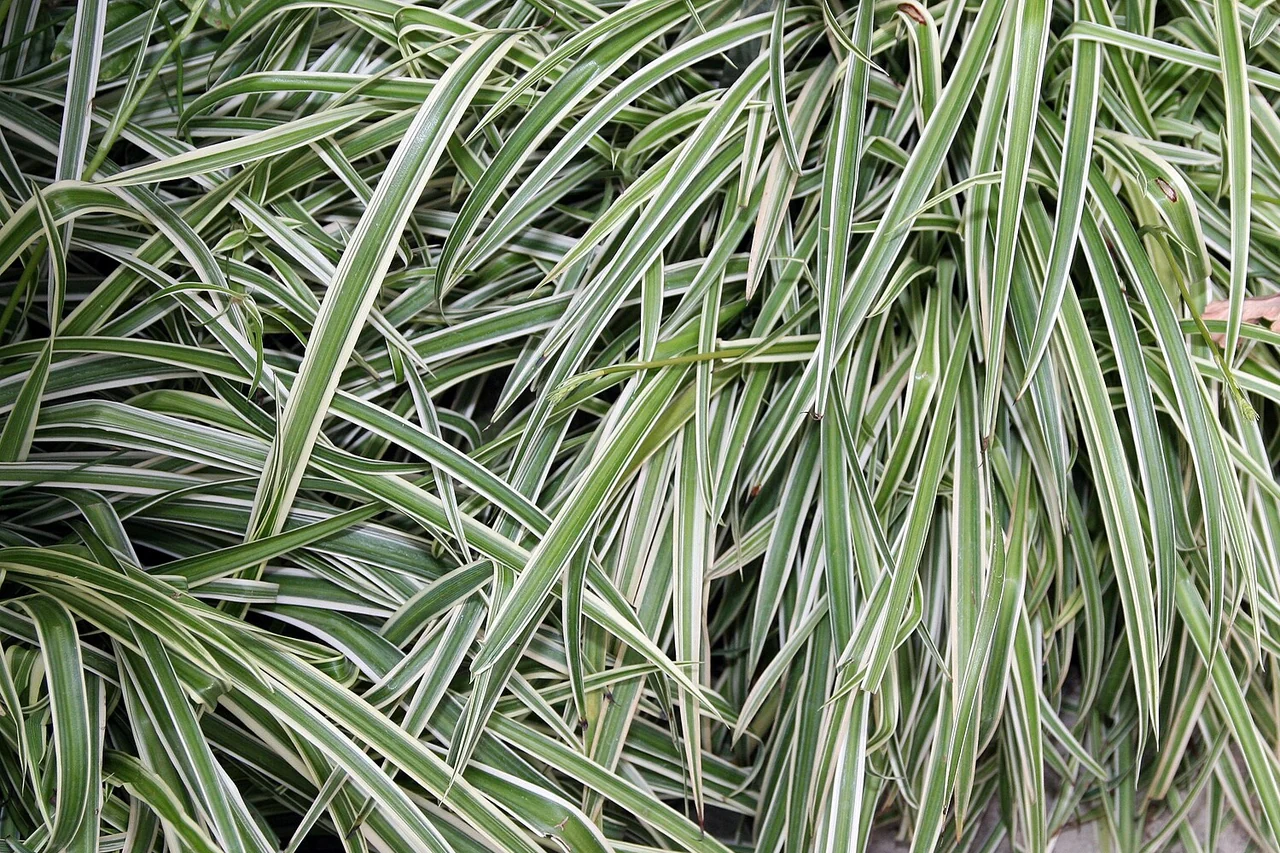
A spider plant is a friendly introduction to plant care. Carbon-monoxide safety comes from working alarms and safe appliances, never from foliage.
Know what supports the takeaway.
- Key finding
- A spider plant is a friendly introduction to plant care. Carbon-monoxide safety comes from working alarms and safe appliances, never from foliage.
- People, setting & outcomes
- Plant chamber experiments and indoor-air reviews; sealed test chambers differ from ventilated homes.
- Types of evidence
- Guidance, observational research or review. These labels describe sources, not a formal certainty grade.
- Limits
- A spider plant has not been established as a dependable carbon-monoxide removal system in an occupied home.
- Editorial source review
- · The Strong Table. No independent clinical reviewer or endorsement is claimed.
A spider plant has an easy charm: arching striped leaves, small plantlets and a shape that works on a shelf or in a hanging basket. It is often recommended as a quiet air cleaner. That description becomes a serious problem when it suggests protection from carbon monoxide.
This is one claim worth separating clearly from the plant’s real, everyday appeal.
The difference between a test chamber and your home
Much plant air-cleaning publicity grew from controlled pollutant experiments. A quantitative review found ordinary potted-plant VOC removal too small to rival normal building air exchange. That analysis concerns volatile organic compounds; it is not proof of carbon-monoxide protection.[1]
Different pollutants need different evidence. A result for formaldehyde or another chemical cannot be relabelled as a result for carbon monoxide. Neither a laboratory result nor a list of “NASA plants” tells you that a pot makes faulty fuel-burning equipment safe.
Take carbon monoxide seriously
Carbon monoxide is an invisible, odourless gas associated with fuel-burning equipment. CDC recommends working carbon-monoxide detectors and appropriate appliance and generator safety. If an alarm sounds or exposure is suspected, leave for fresh air and seek emergency help.[2]
The spider plant can stay in the room; it simply has no role in that safety plan. Buying a plant instead of fixing an appliance or maintaining an alarm is the wrong exchange. A good-looking home and a safe home should support each other.
What makes a spider plant a good first choice
NC State describes spider plants as useful indoor plants with arching leaves and offsets that can be propagated. Bright indirect light and a draining container are sensible starting points. Leaf-tip problems can have several causes, so more water is not always the answer.[3]
The plantlets make progress visible. You can learn to notice growth, adjust care and eventually share a small new plant. That offers a satisfying household project without needing to promise a measurable change in blood chemistry or air pollution.
Make plant care a short screen break
Once a week, inspect the leaves, check the soil and turn the pot if growth leans strongly toward the window. Use that moment to step away from work. This is a practical routine suggestion, not a tested spider-plant stress-treatment protocol.
Secure hanging baskets properly and keep trailing growth away from pets that pull at it. Choose a spot where the foliage has room to arch. The benefit is a living feature you can enjoy and care for—not a silent substitute for safety equipment.
Read the evidence.
Follow the studies and official guidance. Numbered references identify the research behind the relevant discussion; practical suggestions and personal perspective are distinguished from study findings.
- Review and quantitative analysisCummings & Waring (2020): potted plants and indoor VOC removal ↗
- Official public-health guidanceCDC: carbon monoxide poisoning basics ↗
- University horticulture guidanceNC State Extension — chlorophytum comosum ↗
General education for adults. Medical symptoms, prescribed diets and medication changes need individual guidance from a qualified healthcare professional.