Lifestyle / FROM THE EDITOR
The after-meal walk: a small habit with a useful evidence base
A gentle walk can fit into ordinary life. Its glucose effects should be explained without turning it into a cure.
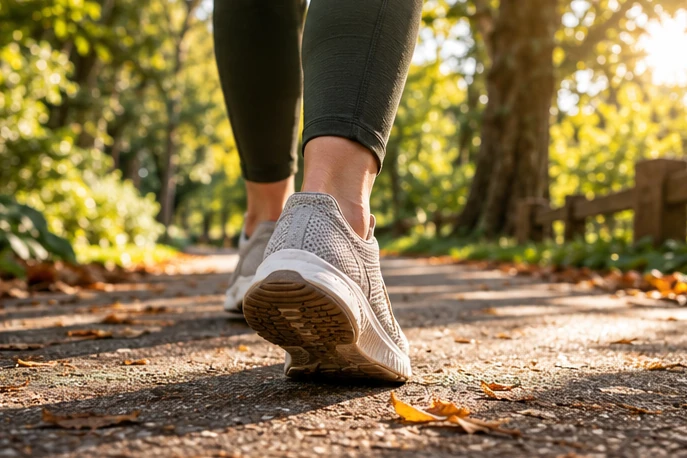
Try a comfortable walk after a meal if it suits your ability and schedule. Treat it as an accessible movement habit, not compensation for eating.
Know what supports the takeaway.
- Key finding
- Try a comfortable walk after a meal if it suits your ability and schedule. Treat it as an accessible movement habit, not compensation for eating.
- People, setting & outcomes
- A small crossover study in older adults at risk of impaired glucose tolerance; glucose outcomes are distinct from fat loss.
- Types of evidence
- Human or controlled experiments. These labels describe sources, not a formal certainty grade.
- Limits
- A small study in older adults does not establish a universal dose or replace medical glucose management. Shorter-walk suggestions are practical adaptations.
- Editorial source review
- · The Strong Table. No independent clinical reviewer or endorsement is claimed.
An after-dinner walk is a rare fitness habit that does not require a separate appointment, special equipment or a complicated decision. Finish the meal, put on comfortable shoes and move for a while.
The routine also has research behind it, particularly for post-meal glucose. That evidence is useful, but it needs the same care as any other health claim.
What the walking trial tested
DiPietro and colleagues compared walking schedules in ten inactive older adults at risk of impaired glucose tolerance. Three 15-minute post-meal treadmill walks improved glucose control, and the timing was particularly useful for the post-dinner response in that experiment.[1]
This was a small, closely measured study in a specific group. It does not prove every person needs exactly fifteen minutes, that outdoor walking produces an identical response, or that walking can replace diabetes care. It gives a promising direction for a practical habit.
Start with the walk you can keep
Choose a comfortable pace and a safe route. A shorter walk may be a more realistic starting point; that is a habit-building suggestion rather than a reproduction of the research dose. For someone with mobility limitations, appropriate alternatives need individual consideration.
Anchor it to one meal instead of immediately committing to three daily outings. A simple reminder, shoes by the door and a route you enjoy can reduce the effort of starting. If the weather is poor, suitable indoor movement may be an option.
Do not turn a meal into a debt
The purpose is to add movement, not earn the right to eat or cancel a dessert. Thinking of every meal as something to burn off can make a useful habit punitive. Keep the walk comfortable enough that it can be a conversation or a break from the screen.
Record the habit rather than trying to convert it into an exact calorie credit. Estimates of walking expenditure vary, and a device does not measure every component perfectly. A repeatable active routine is a better target than matching a meal to a burn number.
Use additional care when glucose treatment is involved
People using insulin or other glucose-lowering medication should follow their clinician’s activity and monitoring guidance. Timing and intensity can affect safety. A general article cannot decide the right protocol for an individual.
For everyday use, the idea is modest and attractive: attach a little movement to something you already do. Begin with a manageable walk, notice how it fits your life and build from there. The habit does not need a dramatic transformation claim to be worthwhile.
Read the evidence.
Follow the studies and official guidance. Numbered references identify the research behind the relevant discussion; practical suggestions and personal perspective are distinguished from study findings.
- Small randomized crossover experimentDiPietro et al. (2013): three post-meal walking bouts and glycemic control ↗
General education for adults. Medical symptoms, prescribed diets and medication changes need individual guidance from a qualified healthcare professional.