NUTRITION / RESEARCH REVIEW
Sodium: neither villain nor free pass
Your body needs sodium. The typical diet can still deliver too much.
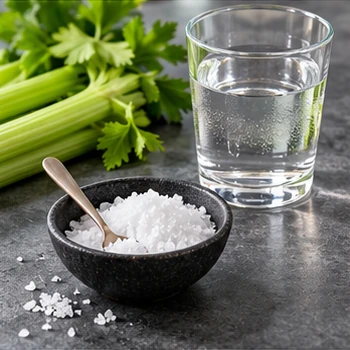
Population guidance to reduce sodium is backed by blood pressure and cardiovascular evidence; individual needs can differ with sweat losses and medical conditions.
What the guidance says
The WHO recommends less than 2 g sodium a day for adults, roughly 5 g salt, as a population target. This is about long-term blood pressure and cardiovascular risk, not about never using a salt shaker.
Where it hides
Packaged and restaurant foods often contribute more sodium than a pinch added at home. Read labels, use herbs and acid for flavor, and keep an eye on the full day rather than judging one meal.
When context changes
Heavy prolonged exercise in heat and some medical conditions change fluid or sodium needs. If you have kidney, heart or blood pressure issues, follow your clinician's tailored advice.
Context before conclusions
Key finding: Randomized reductions in sodium lower blood pressure on average, especially in people with higher starting pressure. Sodium is also needed for fluid balance, and heavy sweating changes practical needs.
Study context & limits: Blood-pressure trials do not define one perfect intake for every athlete or person. Processed-food patterns, potassium intake, medications and health conditions complicate an isolated sodium number.
Editorial summary by The Strong Table. No independent clinical reviewer or endorsement is claimed.
Read our evidence standardsWhat should you do with this?
For general health, reduce excess sodium from highly processed foods and monitor blood pressure. During long sweaty training, replace fluid and sodium sensibly rather than treating salt as either poison or a performance cure.
Read the evidence
Sources include primary studies, systematic reviews, and official evidence summaries. Each claim reflects the population and methods studied; findings can change as research develops.
General education for adults, not diagnosis or individual medical advice. Discuss supplements and health conditions with a qualified clinician.
Explore all research