TRAINING / RESEARCH REVIEW
It is not too late to get stronger
The starting dose can be modest. The ability to improve does not have an expiration date.
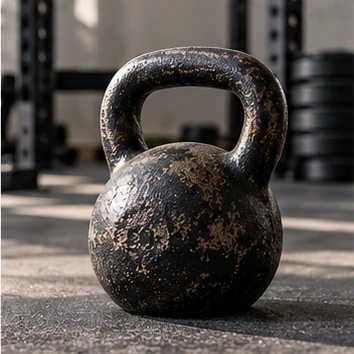
Trials in older adults show resistance training can improve strength and physical function; even lower-volume programs can be useful.
What the evidence includes
A network meta-analysis across many randomized trials compared resistance-training volumes in older adults. It found that lower volume can improve function and strength, an encouraging finding for people who cannot train frequently.
A sensible first month
Practice a squat or sit-to-stand, hinge, push, pull and carry twice a week. Choose controlled ranges and rest between sessions. Progress gradually; an individual with frailty or symptoms may need supervised care.
Context before conclusions
Key finding: Trials and systematic reviews in older adults show strength and function can improve with resistance training, including manageable lower-volume starts.
Study context & limits: Adults have different capacities and health needs. Frailty, injury history and medication can change exercise selection and supervision needs.
Source review: Editorial summary by The Strong Table. A source-review date was not recorded for this review. No independent clinical reviewer or endorsement is claimed.
Read our evidence standardsWhat the studies found
Trials and systematic reviews in older adults show strength and function can improve with resistance training, including manageable lower-volume starts.
Where the evidence stops
Adults have different capacities and health needs. Frailty, injury history and medication can change exercise selection and supervision needs.
What should you do with this?
It is worthwhile to begin or resume strength work throughout adulthood. Start with two repeatable full-body sessions, add balance and aerobic movement, and progress from your current capacity rather than your age label.
Read the evidence
Sources include primary studies, systematic reviews, and official evidence summaries. Each claim reflects the population and methods studied; findings can change as research develops.
General education for adults, not diagnosis or individual medical advice. Discuss supplements and health conditions with a qualified clinician.
Explore all research →