ENDURANCE & OUTDOORS / EDUCATION
Mobility and recovery that matter
for Cycling.
Protect strength while you build the ride.
 FIELD GUIDE / 04
Move through useful ranges
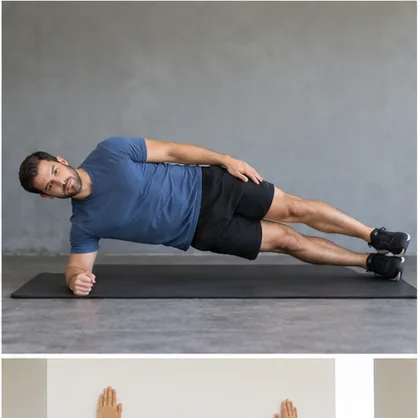
Side plank can be practiced slowly in a comfortable range. Stack shoulders over elbow and lift hips, breathing steadily. Stop short of pain; extreme range is not the target.
Load is part of recovery
Long rides and hard hills raise leg fatigue; lower strength volume in peak riding weeks. Sleep and sufficient food support adaptation; no recovery drill cancels a poorly balanced schedule.
A low-effort session
Walk or cycle gently for 10–20 minutes, then perform 1–2 easy sets of Side plank and a comfortable breathing reset. Finish feeling ready for the next session.
Three movements to understand
These are examples of general physical preparation. Tap any movement for target muscles, setup, execution, common errors and an easier alternative.
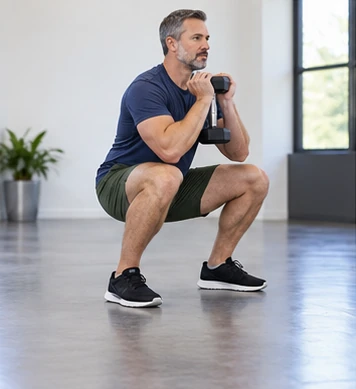
Goblet squat
Quadriceps with glute support. Sit between the hips and stand through the whole foot.
FULL TECHNIQUE GUIDE ↗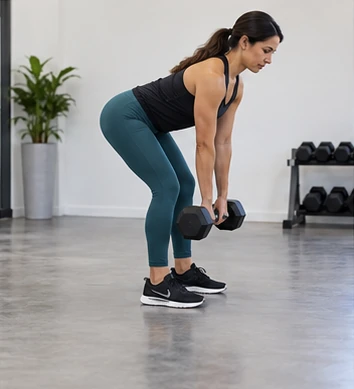
Dumbbell Romanian deadlift
Hamstrings and posterior chain. Keep weights close and shift hips back with a long spine.
FULL TECHNIQUE GUIDE ↗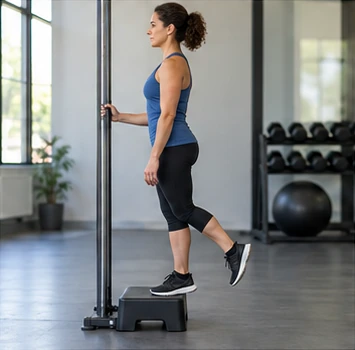
Single-leg calf raise
Gastrocnemius and soleus. Use balance support and move through a comfortable range.
FULL TECHNIQUE GUIDE ↗Put this into your week
Two strength sessions and rides matched to your goals; leave space after hard intervals. Use mostly manageable rides with selected harder intervals rather than hard efforts every day.
Begin with a manageable session and record how it affects the next practice. If you can complete every set with sound form and recover well, add a repetition or modest resistance. If quality or recovery falls, reduce a set or move the session away from the hardest sport day.
Bike handling, position and pacing are cycling skills, separate from gym strength. Long rides and hard hills raise leg fatigue; lower strength volume in peak riding weeks.
Evidence and interpretation
General training evidence informs this guide. The sport-specific exercise choices are coaching applications; training response varies by person and season.
General education. Work within your ability and seek qualified advice for injury, symptoms, contact technique or return to play.
See five Cycling workouts →