ENDURANCE & OUTDOORS / EDUCATION
Conditioning without junk fatigue
for Rowing.
Train the legs and trunk that drive the stroke.
 FIELD GUIDE / 03
Respect the event
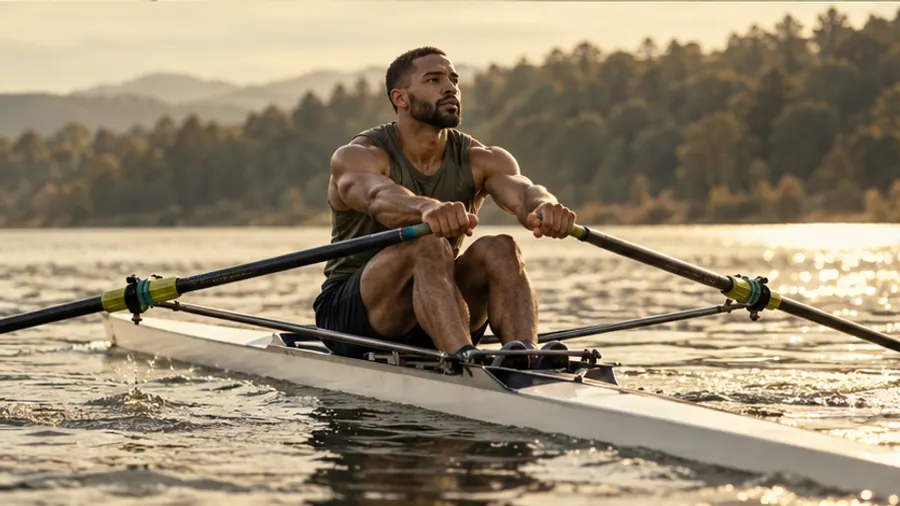
Use steady rows plus carefully placed intervals, scaling with technique and volume.
An easy base and selective intensity
A conversational aerobic session can build general fitness with manageable fatigue. Add one interval session only when technical practice and recovery leave room; keep the efforts repeatable rather than maximal.
A sample progression
Week 1: 15–20 minutes easy. Week 2: add 5 minutes. Weeks 3–4: keep the easy work and try 4–6 short, controlled harder efforts with generous easy recovery. If your back feels overloaded, reduce total rowing and hinge volume and seek assessment for persistent pain.
Three movements to understand
These are examples of general physical preparation. Tap any movement for target muscles, setup, execution, common errors and an easier alternative.
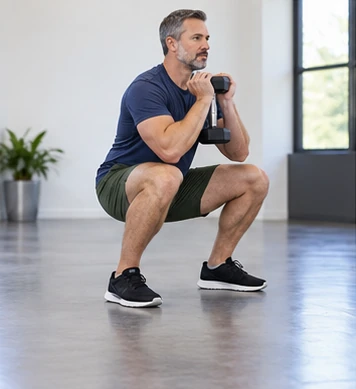
Goblet squat
Quadriceps with glute support. Sit between the hips and stand through the whole foot.
FULL TECHNIQUE GUIDE ↗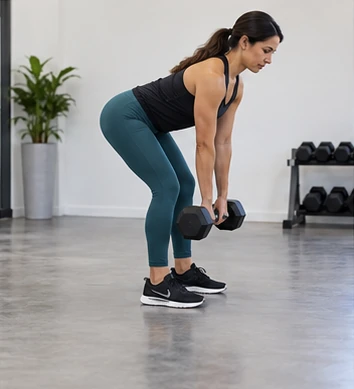
Dumbbell Romanian deadlift
Hamstrings and posterior chain. Keep weights close and shift hips back with a long spine.
FULL TECHNIQUE GUIDE ↗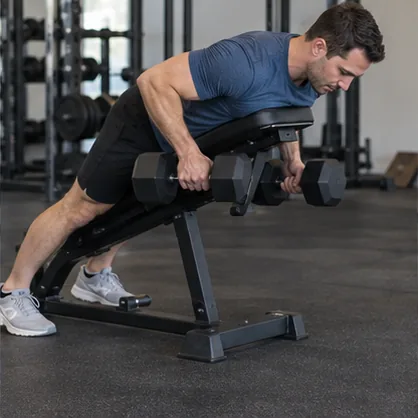
Chest-supported row
Lats, rhomboids, mid-back and biceps. Keep chest against the pad and row without swinging.
FULL TECHNIQUE GUIDE ↗Put this into your week
Two strength days with an easier aerobic row between harder sessions. Use steady rows plus carefully placed intervals, scaling with technique and volume.
Begin with a manageable session and record how it affects the next practice. If you can complete every set with sound form and recover well, add a repetition or modest resistance. If quality or recovery falls, reduce a set or move the session away from the hardest sport day.
Stroke timing and technique require boat or erg coaching; do not turn lifts into a rowing imitation. If your back feels overloaded, reduce total rowing and hinge volume and seek assessment for persistent pain.
Evidence and interpretation
General training evidence informs this guide. The sport-specific exercise choices are coaching applications; training response varies by person and season.
General education. Work within your ability and seek qualified advice for injury, symptoms, contact technique or return to play.
See five Rowing workouts →